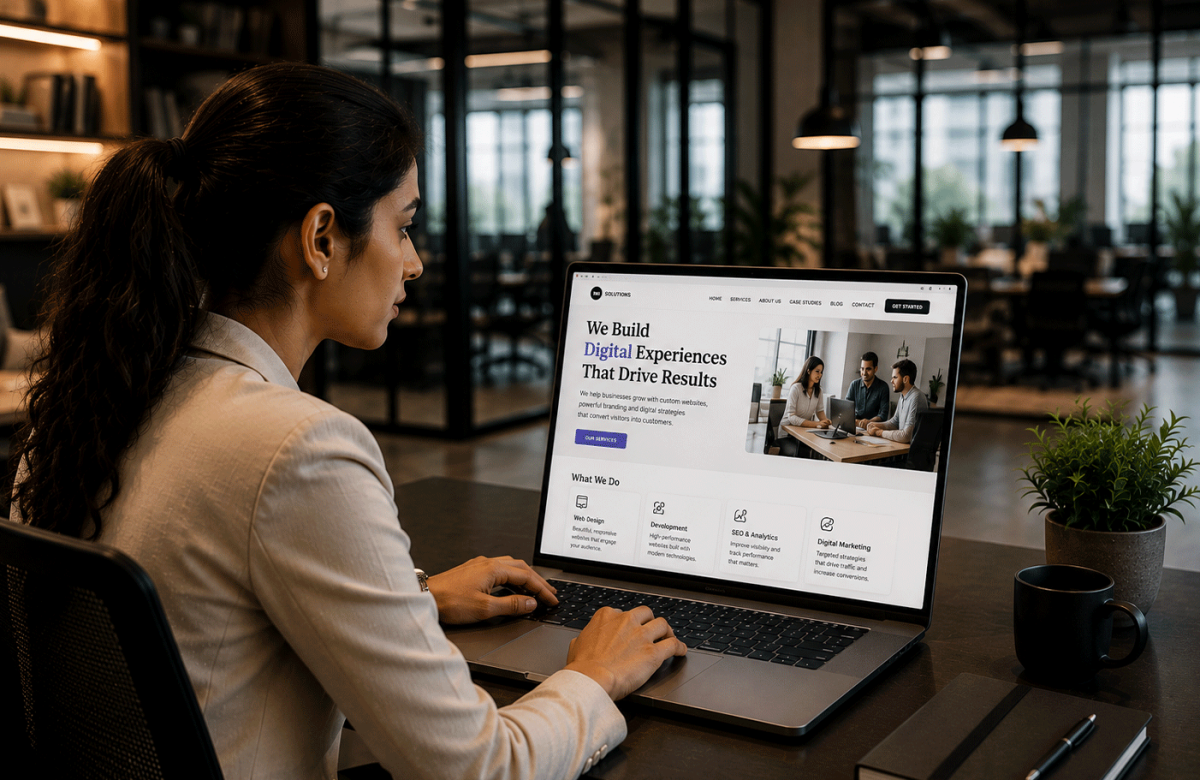

A business website is no longer just an online place to display a company name, services, and contact details. For many customers, it is the first interaction they have with a business. Before making a purchase or sending an enquiry, people often check the website to understand what a company offers, whether it looks trustworthy, and how easy it is to get in touch.
That is why modern business website development needs to focus on more than attractive design. A successful website should provide a smooth experience, work well across devices, support search visibility, and help turn visitors into potential customers.
If you are planning a new website or considering a redesign, here are ten essential features your website should have in 2026.
1. Mobile-Friendly Design
A large percentage of website visitors access businesses through smartphones. If a website works well only on a desktop, potential customers may quickly leave.
A mobile-friendly website should automatically adjust its layout to different screen sizes. Text should remain easy to read, buttons should be simple to tap, and navigation should work without unnecessary scrolling or zooming.
Responsive design is therefore one of the most important features of a modern business website.
2. Fast Loading Speed
People expect websites to load quickly. A slow website can create frustration and may cause visitors to leave before they even see your content.
Website speed can also influence the overall user experience and search performance.
Businesses should pay attention to elements such as:
- Image sizes
- Hosting quality
- Website code
- Plugins and third-party scripts
- Page structure
A fast website makes it easier for visitors to explore your services and take action.
3. Clear and Simple Navigation
A visitor should not have to search through several pages to find basic information.
Your navigation menu should make important sections easy to access, such as:
- Home
- About
- Services
- Portfolio
- Blog
- Contact
Good navigation improves the user experience and helps visitors find what they need without confusion.
4. Strong Calls-to-Action
A website should guide visitors toward the next step.
Depending on your business, that action could be:
- Request a Quote
- Book a Consultation
- Call Now
- Get Started
- Contact Us
These calls-to-action should be visible without overwhelming the visitor.
A clear CTA can make a significant difference when the goal is to generate enquiries from your website.
5. Search Engine Optimization
A beautiful website is not very useful if potential customers cannot find it.
SEO-friendly website development helps create a strong foundation for search visibility. This includes properly structured pages, relevant content, descriptive page titles, optimized images, internal links, and technically sound website architecture.
SEO should not be added as an afterthought. It should be considered during the website development process itself.
6. Secure Website Experience
Website security is important for both businesses and customers.
A website should use HTTPS to protect information transferred between the visitor and the website. Businesses should also keep their CMS, plugins, themes, and other software updated.
For websites that collect personal information or process transactions, additional security measures may be necessary.
A secure website also helps create confidence among visitors.
7. High-Quality and Useful Content
Design may attract visitors, but content helps them understand your business.
Your website should clearly explain:
- What you offer
- Who you serve
- What makes your business different
- How customers can get started
Regularly publishing useful blog content can also help answer customer questions and support your SEO strategy.
Instead of filling pages with complicated marketing language, focus on information that is genuinely useful to your audience.
8. Easy Contact and Lead Forms
If a visitor wants to contact your business, the process should be simple.
A website should provide easily accessible contact options such as:
- Contact forms
- Phone numbers
- Email addresses
- Business location
- Appointment or consultation options
Contact forms should not ask for unnecessary information. The shorter and more straightforward the process is, the easier it becomes for interested visitors to send an enquiry.
9. Customer Reviews and Trust Signals
People want to know whether they can trust a business before contacting it.
Adding genuine testimonials, reviews, case studies, client work, certifications, or industry experience can help visitors feel more confident.
These trust signals are especially useful for service-based businesses where customers may be making a significant investment.
A website should not simply tell visitors that your company is reliable. Whenever possible, show evidence that supports that claim.
10. Analytics and Performance Tracking
A modern website should provide businesses with insight into how visitors interact with it.
Analytics can help answer questions such as:
- How many people visit the website?
- Which pages receive the most traffic?
- Where do visitors leave?
- How many enquiries are generated?
- Which marketing channels bring visitors?
This information allows businesses to make decisions based on actual user behaviour rather than assumptions.
A website should be treated as an ongoing business asset that can be improved over time.
Why These Features Matter Together
Having individual features is useful, but the real value comes when they work together.
For example, SEO can bring visitors to your website. Fast loading speeds and responsive design can keep them engaged. Clear content can explain your services, while trust signals can build confidence. Finally, a strong call-to-action can encourage the visitor to contact your business.
This creates a complete journey from website visitor to potential customer.
That is why modern website development services should focus on business objectives as well as design.
Final Thoughts
A successful business website in 2026 needs to be fast, secure, mobile-friendly, easy to navigate, and useful to its visitors. It should also support SEO, build trust, and make it simple for potential customers to take action.
Technology and design trends will continue to change, but the basic purpose of a business website remains the same: help people understand your business and make it easier for them to choose you.
If your current website feels outdated, loads slowly, is difficult to use on mobile devices, or isn’t generating enough enquiries, it may be time to rethink the way it has been designed and developed.
A well-planned website is not simply an online presence. It can become an important part of your marketing, customer experience, and long-term business growth.
Frequently Asked Questions
What are the most important features of a business website?
A professional business website should have mobile-friendly design, fast loading speed, clear navigation, strong calls-to-action, SEO-friendly structure, security, useful content, contact options, trust signals, and analytics.
Why is mobile-friendly website design important?
Mobile-friendly design ensures that visitors can comfortably use your website on smartphones and tablets. It improves user experience and makes it easier for mobile visitors to explore your business.
Does website speed affect business growth?
Yes. Slow websites can frustrate visitors and increase the chances that they leave before contacting the business. Faster websites generally provide a better user experience.